Joint Stiffness
Joint Stiffness
Joint stiffness refers to the feeling of reduced flexibility or difficulty moving a joint, especially after periods of inactivity such as sleeping or sitting for long durations. It may be accompanied by pain, swelling, or a grinding sensation.
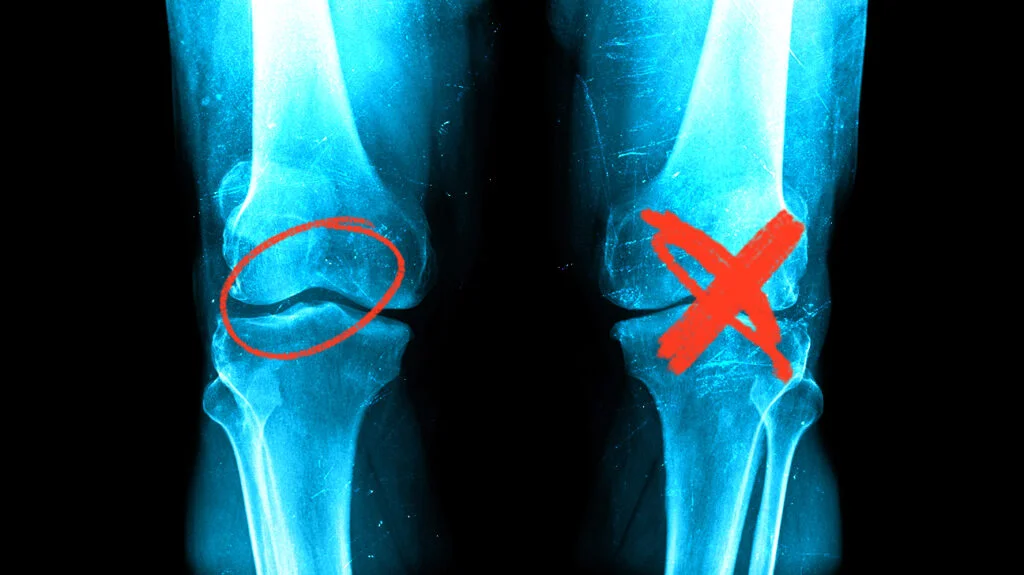
Causes of Joint Stiffness
Osteoarthritis: Degenerative joint disease that wears down cartilage.
Rheumatoid Arthritis: An autoimmune condition causing joint inflammation.
Injury or Trauma: Past fractures, ligament tears, or surgery can lead to stiffness.
Overuse or Repetitive Strain: Common in athletes and labor-intensive professions.
Inflammation: Bursitis or tendonitis can limit joint mobility.
Post-Surgical Scarring: Adhesions and scar tissue may restrict movement.
Inactivity or Immobilization: Prolonged rest can lead to joint contracture and stiffness.
Symptoms of Joint Stiffness
- Limited Range of Motion: You may find it difficult to bend, straighten, or rotate the joint fully, especially after waking up or prolonged inactivity.
Pain or Discomfory: Pain can be sharp or dull, and may occur during movement or even at rest.
Swelling and Tenderness: Inflammation around the joint can lead to visible swelling and make the area painful to touch.
Warmth or Redness: In cases of inflammation or infection, the joint may feel warm and appear red.
Stiffness After Rest: Symptoms often worsen in the morning or after sitting still for a long time, then ease with gentle movement.
Inactivity or Immobilization: Prolonged rest can lead to joint contracture and stiffness.
Postoperative Care and Rehabilitation
Non-Surgical Treatments
In many cases, non-surgical interventions can significantly reduce joint stiffness and improve mobility:
Medications
Anti-inflammatory drugs (NSAIDs) to reduce swelling and pain
Pain relievers for comfort
Disease-modifying antirheumatic drugs (DMARDs) for autoimmune causes like rheumatoid arthritis
Physical Therapy
Tailored exercises to enhance flexibility, strength, and range of motion
Techniques like manual therapy and neuromuscular re-education
Surgical Treatments
If non-surgical measures are not effective and stiffness persists or worsens, surgical options may be considered:
Arthroscopy / Mini-Open Contracture Release
Minimally invasive procedure using an arthroscope and specialized tools to remove scar tissue, bone spurs, or other mechanical obstructions
Joint Replacement Surgery
Replacing the damaged joint with a prosthetic implant, commonly done in severe osteoarthritis cases
Osteotomy
Surgical realignment of bones to shift weight off the damaged area of the joint, often used in younger or more active patients
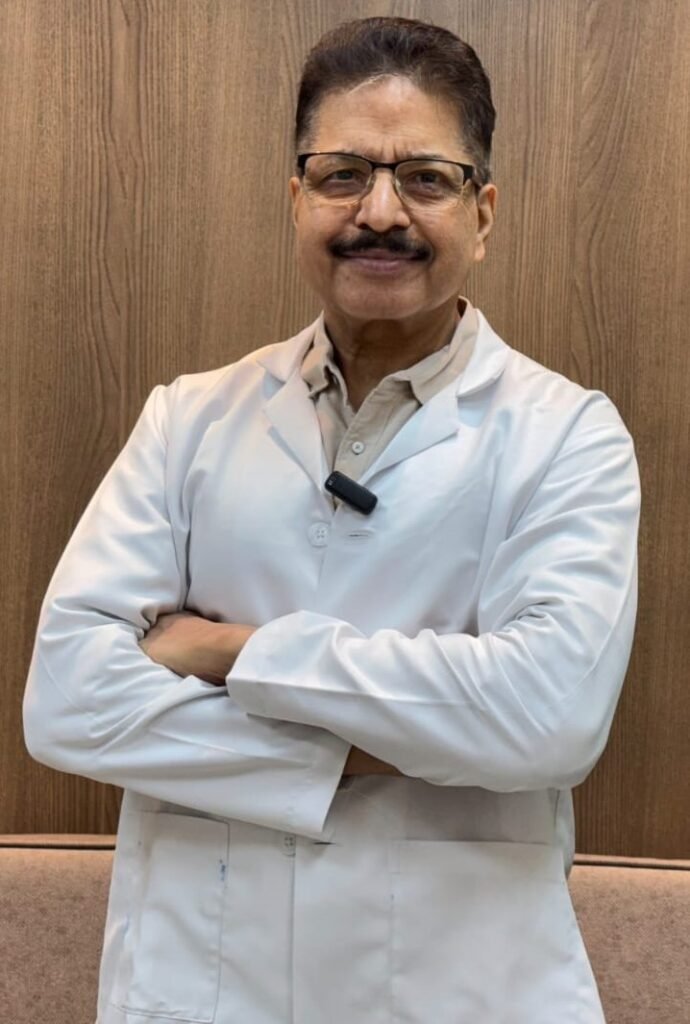
Dr. Sudhir Seth: Joint Preservation Specialist | Orthopaedic & Spine Surgeon
Dr. Sudhir Seth is a highly respected orthopedic surgeon with a specialized focus on joint preservation techniques. He is committed to restoring mobility, reducing pain, and maintaining the natural anatomy of the joint through advanced, minimally invasive procedures.
With extensive expertise in:
Arthroscopic Surgery
Ligament Reconstruction
Meniscus Repair
High Tibial Osteotomy
Dr. Seth’s approach is ideal for young, active individuals who wish to avoid or delay total joint replacement. His goal is to provide long-lasting joint function without compromising lifestyle or performance.
Contact Us
If you’re experiencing joint pain, stiffness, or limited mobility, don’t wait. Schedule a consultation with Dr. Sudhir Seth, a trusted expert in joint preservation and minimally invasive orthopedic surgery.